
People-centered healthcare begins with a simple idea: people do not experience their health in separate categories.
A patient does not stop being a medical patient when an oral health issue appears, just as oral health does not exist separately from everything else affecting that person’s well-being. Healthcare may be organized by departments and specialties, but from the patient’s perspective, those services are all part of one health experience.
For Dr. Ara Jil-Agopian, Chief Clinical Officer and Co-founder of OroMed, that perspective is central to his work. As a dental surgeon with advanced specialty training in orthodontics and dentofacial orthopedics, Dr. Agopian brings a clinical understanding of oral health to OroMed’s larger mission of connecting medical and dental care.
His work raises an important question: What would healthcare look like if it were designed around the person moving through it rather than the boundaries between specialties?
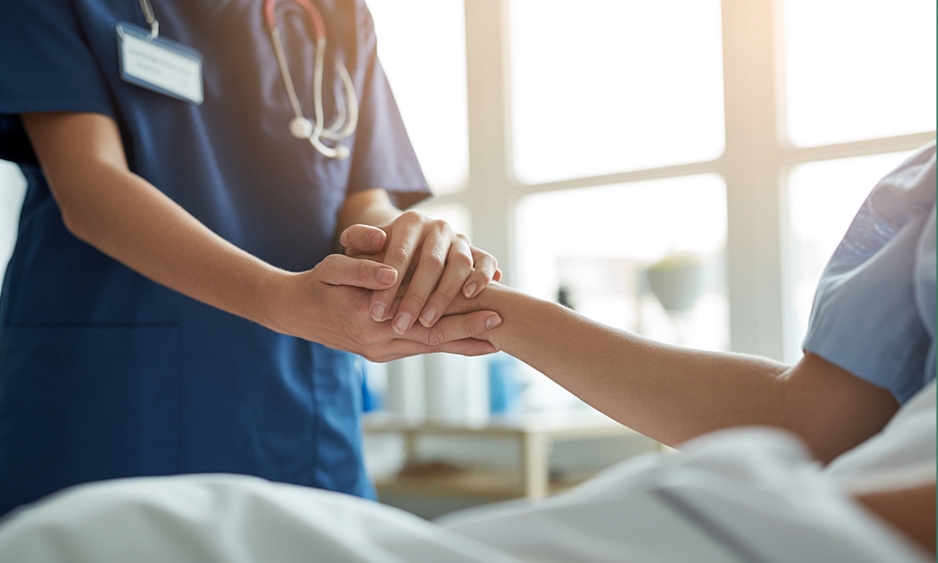
The Patient Does Not See a Healthcare Org Chart
Healthcare organizations need specialties because different areas of care require different expertise, training, and clinical responsibilities. Problems can arise, however, when the separation between services becomes something the patient has to manage.
A health center may see a medical appointment, dental appointment, and referral as separate parts of its operation. The patient experiences another appointment to arrange, another place to reach, and another step before receiving care. For someone balancing transportation, work, family responsibilities, or limited provider availability, every additional step can become a barrier.
This is where people-centered healthcare changes the perspective. Treating oral health as part of the whole person does not require medical and dental professionals to perform the same roles. Instead, it asks organizations to consider what happens between those roles and whether patients have a clear path from one to the next.
Looking Beyond the Exam Room
Patient-centered care is often discussed in terms of the interaction between a provider and patient: listening, communication, respect, and involving people in decisions about their health.
But the patient experience extends beyond the exam room. Someone may receive excellent care during an appointment and still struggle with what happens afterward. A referral may be difficult to schedule. A service may exist but be difficult to reach. An oral health concern may be recognized during a medical visit without an obvious next step.
Looking at healthcare through the patient’s eyes changes the question. Instead of asking only whether a service exists, organizations can also ask whether people can realistically move from identifying a need to receiving appropriate care.
Meeting People Where They Already Receive Care
Prevention is most useful when healthcare can identify needs before they become more serious. Yet preventive services can be difficult to access when receiving them requires patients to independently enter another part of the healthcare system.
For community health centers, patients may already be navigating transportation barriers, workforce shortages, scheduling limitations, financial pressures, or limited access to specialty services. Medical-dental integration offers another possibility. Preventive oral health needs can be identified within healthcare environments patients are already accessing, creating another opportunity to begin the path toward dental care.
For Dr. Agopian, this is not about asking medical professionals to replace dentists. It is about recognizing that the first opportunity to identify an oral health need does not always have to occur during a traditional dental appointment. That approach reflects a central principle of people-centered healthcare: designing care around where people are and how they actually move through the healthcare system.
What Whole-Person Care Looks Like in Practice
Whole-person care becomes clearer when viewed through the patient journey. If a patient enters a health center for medical care and an oral health concern is identified, what happens next? Does the patient understand the need? Is there a pathway toward appropriate dental care? Can different parts of the healthcare system work together without leaving the patient responsible for making every connection alone?
These questions move medical-dental integration beyond simply offering multiple services within the same organization. Integration becomes meaningful when those services connect in ways that make navigating care easier.
Dr. Agopian’s work at OroMed focuses on that intersection. His clinical background provides the dental perspective behind the model, while his role as Chief Clinical Officer considers how preventive oral health can become part of a broader healthcare experience. The goal is not to erase the distinction between medical and dental care. It is to make that distinction less burdensome for the patient.
Technology Should Support the Relationship
Technology can help healthcare organizations identify needs, share information, and create new ways of delivering services. But from the patient’s perspective, the most important question may be simpler: Did this make receiving care easier?
Technology that introduces additional steps or complexity may solve one problem while creating another. At OroMed, technology supports the medical-dental integration model rather than serving as its purpose. It helps create opportunities for preventive oral health to become part of healthcare settings patients already use.
In a people-centered healthcare model, technology is most valuable when it helps reduce friction and strengthens the connection between patients, providers, and the next step in care.
People-Centered Healthcare Includes Care Teams
Designing around people also means considering the professionals responsible for delivering care. A new model may appear convenient for patients but become difficult to sustain if it adds unnecessary work or asks already stretched teams to manage another complicated process.
Community health centers understand this challenge particularly well. Their teams often work within workforce and capacity constraints while serving populations with significant healthcare needs. A people-centered model therefore has to work for both sides of the care experience. Patients need practical pathways to services, while providers and staff need workflows that respect their expertise and existing responsibilities.
When integration supports rather than competes with the work teams are already doing, it has a stronger foundation for becoming part of everyday care.
Keeping the Person at the Center
Community health centers have long understood that health is shaped by more than what happens during an appointment. Geography, transportation, workforce availability, finances, scheduling, and access to specialty care can all affect whether someone receives the services they need.
Medical-dental integration provides one way to reconsider how oral health fits within that reality. That does not mean every health center needs the same model. Patient needs, workforce capacity, available dental resources, referral relationships, and organizational structure all matter.
The broader opportunity is to design connections around the people an organization serves rather than expecting patients to navigate disconnected systems on their own. At its core, people-centered healthcare does not mean eliminating specialties or asking every provider to address every aspect of health. It means recognizing that the boundaries healthcare organizations use to organize services are not necessarily the boundaries patients experience.
For Dr. Agopian and OroMed, that is the larger opportunity behind medical-dental integration: creating a healthcare experience in which the person remains at the center, even when their care crosses traditional boundaries.
To see how OroMed can support a more integrated, people-centered approach to preventive oral health within your organization, book a discovery call with our team.