
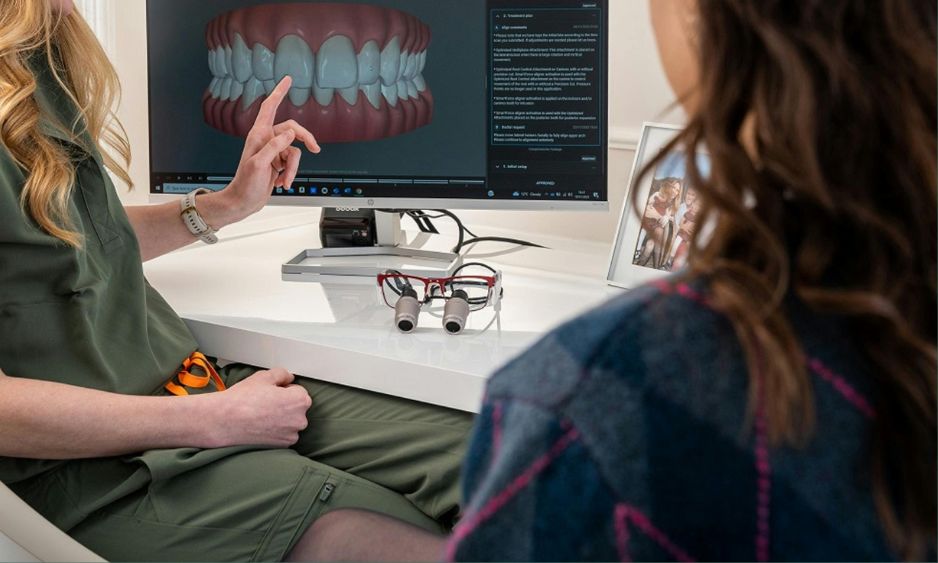
It started as a routine visit.
The patient wasn’t experiencing pain. They weren’t concerned about their oral health, and they certainly weren’t expecting to learn something life-changing that day. During a preventive dental evaluation, however, the care team identified an abnormal lesion that required further evaluation.
What followed was precisely why preventive screening matters. The patient was referred for additional care, the lesion was biopsied, and cancer was confirmed. Because it had been identified early, treatment could begin before the disease progressed further.
Stories like this remind us all that prevention is rarely dramatic in the moment. Most preventive screenings do not uncover life-threatening conditions. But every screening creates an opportunity to identify concerns that might otherwise remain unnoticed until they become far more difficult and costly to treat.
Every Patient Visit Holds More Potential Than We Realize
Community health centers work hard to remove barriers to care. Scheduling appointments, coordinating transportation, and helping patients access services all require significant effort from both patients and care teams.
When a patient arrives, that encounter becomes far more than an opportunity to address today’s concern. It becomes an opportunity to strengthen long-term health.
Routine screenings, preventive education, and early identification of health risks allow providers to maximize the value of every visit without creating additional appointments or unnecessary burdens for patients.
Prevention Is About More Than Finding Disease
Preventive care is often associated with identifying serious illnesses, but its impact extends much further.
Every preventive evaluation creates an opportunity to educate patients, reinforce healthy behaviors, identify developing concerns, and connect individuals with appropriate follow-up care before conditions worsen.
For community health centers, prevention also supports broader organizational goals by improving quality measures, reducing avoidable complications, and strengthening continuity of care across clinical teams.
The greatest value from prevention is not simply detecting disease; it’s creating opportunities for healthier outcomes
Small Moments Can Have Lasting Impact
Healthcare is filled with moments that appear routine until viewed in hindsight.
A blood pressure reading leads to a diagnosis of hypertension.
A screening for depression opens the door to behavioral health support.
A preventive dental evaluation identifies a lesion that otherwise might have gone unnoticed.
For the patient, these moments often become turning points. For healthcare organizations, they demonstrate why integrated preventive care deserves to be part of every clinical encounter whenever appropriate.
Building a More Preventive Future
As healthcare continues shifting toward value-based care and whole-person health, prevention will remain one of the most effective ways to improve outcomes while making better use of existing clinical resources.
Community health centers are uniquely positioned to lead this effort because prevention is already central to their mission. By creating more opportunities to identify health concerns during routine visits, organizations can strengthen patient care without fundamentally changing how care is delivered.
Sometimes, the most important healthcare intervention begins with taking the time to look.
Supporting Prevention Through Everyday Care
OroMed helps community health centers incorporate preventive dental evaluations into routine medical visits, making it easier to identify concerns early while strengthening care coordination across clinical teams. Working within each organization’s existing EHR environment, OroMed supports a more integrated approach to prevention that helps providers make every patient encounter more meaningful.
To learn how OroMed helps community health centers strengthen preventive care through integrated oral health evaluations, schedule a complimentary demo with our team.